
PM Kisan New Update 2026: PM Kisan Samman Nidhi has become a lifeline for crores of farmers across India. Every year, the ₹6000 financial support helps farmers manage seeds, fertilizers, and daily farming needs. As we move into 2026, several important updates related to installment dates, eligibility checks, and verification rules are grabbing attention. Many farmers are searching for clear answers about payments and new conditions. This article explains the PM Kisan New Update 2026 in a simple, practical, and truly human way.
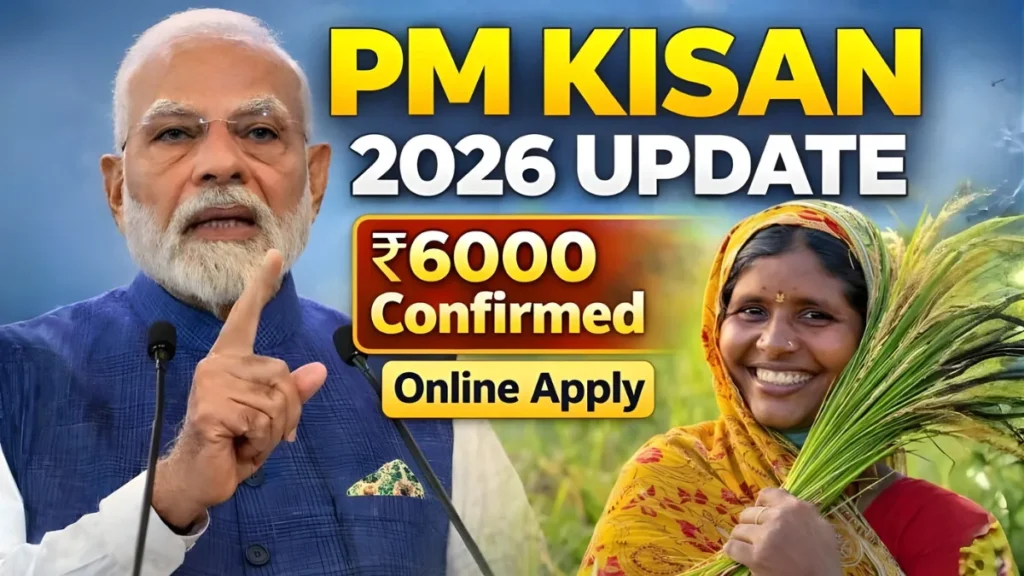
₹6000 Installment Still On Track
The good news is that the ₹6000 annual benefit under PM Kisan continues in 2026 without any reduction. Eligible farmers will receive this amount in three installments of ₹2000 each. These payments are usually released every four months and sent directly to bank accounts through DBT. While official dates are announced separately, the government has indicated that the installment cycle will remain smooth for farmers who meet all conditions.
Eligibility Rules Getting Stricter Now
Eligibility under PM Kisan has not changed on paper, but enforcement has become stricter in 2026. Only small and marginal farmers with cultivable land in their own name qualify for the scheme. Farmers who pay income tax or hold institutional land are excluded. Authorities are actively removing ineligible names from the list. This clean-up process ensures that genuine farmers continue to receive benefits without unnecessary delays.
eKYC Is No Longer Optional
eKYC is one of the most important updates in PM Kisan 2026. Farmers who have not completed Aadhaar-based eKYC will not receive upcoming installments. The government has made it clear that partial compliance will not work anymore. Farmers can complete eKYC online using OTP or visit a nearby CSC center for biometric verification. Once done, future payments are credited without interruption.
Land Records Under Sharp Watch
Land verification has become a major focus area this year. State governments are cross-checking PM Kisan data with updated land records to identify mismatches. Even genuine farmers may face payment holds if their land details are outdated. Updating land records at the local revenue office is now essential. This step improves transparency and ensures the scheme reaches only rightful beneficiaries.
Bank Details Must Be Error Free
Incorrect or inactive bank details are a common reason for failed PM Kisan payments. In 2026, the system is stricter than before. Farmers must ensure that their bank account is Aadhaar-linked, active, and DBT-enabled. Even small spelling mistakes in names can cause payment rejection. Verifying bank details in advance helps avoid delays and ensures timely receipt of the ₹2000 installment.
Simple Way To Check Payment Status
Checking PM Kisan payment status is easy and does not require any technical knowledge. Farmers can visit the official PM Kisan portal and use the Beneficiary Status option. By entering Aadhaar number or registration number, installment details appear instantly. Regularly checking status helps farmers identify issues like pending eKYC or verification problems before payments are released.
Government Tightening The System
The 2026 update shows a strong government push toward transparency and accountability. Advanced data matching, digital monitoring, and coordination between departments have improved the system. While the process may feel stricter, it reduces fraud and ensures long-term stability of the scheme. Faster grievance handling and cleaner beneficiary lists are the direct results of these improvements.
What Farmers Should Do Now
Farmers should not wait for payment issues to arise. Completing eKYC, updating land records, and verifying bank details should be top priorities. Regular visits to the PM Kisan portal help stay informed about upcoming installments and official announcements. Being proactive ensures uninterrupted benefits and peace of mind throughout the year.
Final Word: PM Kisan New Update 2026
PM Kisan New Update 2026 brings continuity with caution. The ₹6000 annual support remains strong, but compliance has become more important than ever. Farmers who follow the rules, keep documents updated, and complete verification steps will continue to receive timely payments. The scheme is moving toward a cleaner and more transparent system, designed to support genuine farmers and strengthen India’s agricultural backbone in the long run.