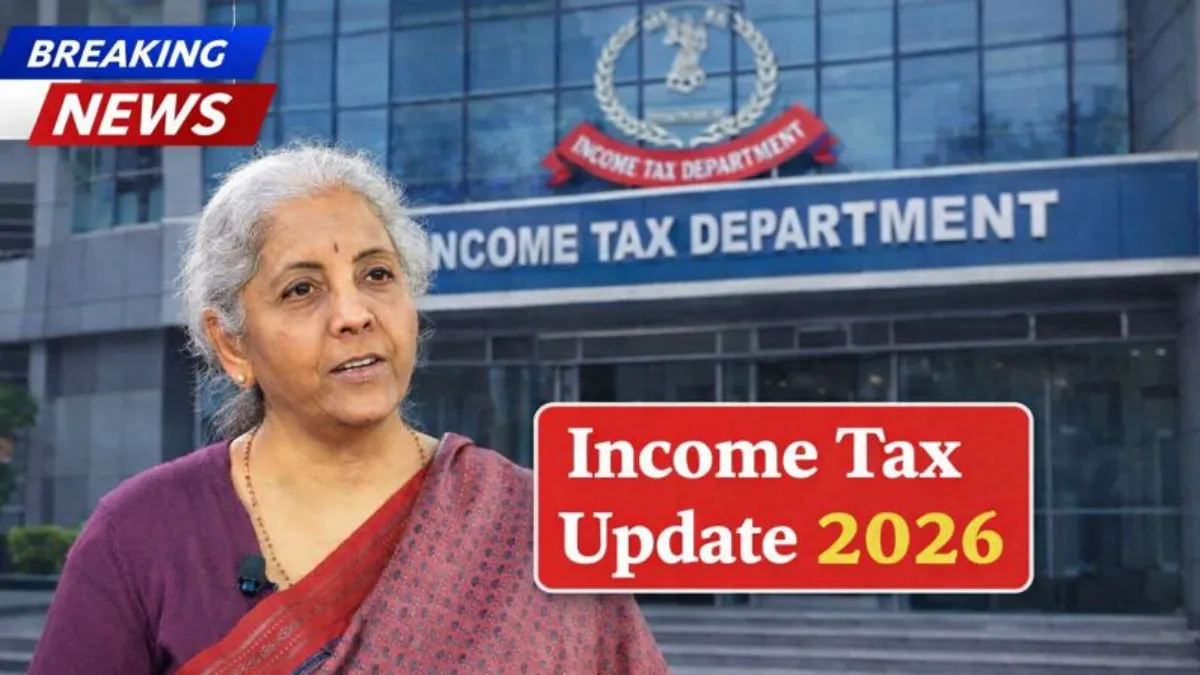
New Tax Rule 2026: Every year, tax rules change, but some updates actually force people to sit up and rethink their money plans. The New Tax Rule 2026 is one of those updates. It reshapes income tax slabs, changes how deductions work, and quietly pushes taxpayers toward a simpler system. For salaried employees, freelancers, and retirees alike, these changes can directly affect monthly savings and long-term planning. Understanding the new rules clearly can help you avoid surprises and make smarter financial choices.
Fresh Slabs Mean Smoother Taxes
The biggest talking point of the New Tax Rule 2026 is the redesigned income tax slabs. The government has adjusted slab ranges to reduce pressure on middle-income earners. Instead of sharp jumps in tax liability, income progression now feels more balanced. This change is meant to ensure that earning a little more does not suddenly lead to a heavy tax burden. For many taxpayers, this brings better predictability and easier tax planning.
New Regime Takes Center Stage
Under the 2026 rules, the new tax regime continues as the default option. This signals the government’s strong push toward a clean and simple tax structure. The focus here is fewer exemptions, lower rates, and minimal paperwork. People who prefer straightforward filing without tracking multiple investments may find this regime more comfortable. The idea is clear: less complexity, faster compliance, and fewer mistakes during return filing.
Old Regime Still Has Power
Even with the new regime gaining priority, the old tax system is far from irrelevant. Taxpayers who actively use deductions such as insurance premiums, home loan interest, and rent benefits can still find value here. The New Tax Rule 2026 allows freedom of choice, which means taxpayers can select the regime that saves them more money. Comparing both options before filing has now become an essential step, not an optional one.
Standard Deduction Brings Relief
Salaried individuals and pensioners continue to enjoy the comfort of standard deduction benefits. This automatic relief directly reduces taxable income without requiring any documents or proofs. In times of rising household expenses, this small but steady benefit matters a lot. The New Tax Rule 2026 keeping this deduction intact shows a clear effort to support fixed-income earners and reduce their overall tax stress.
Deductions Get A Reality Check
Instead of promoting forced savings, the 2026 tax changes focus on realistic financial behavior. While traditional deductions remain mainly under the old regime, the new regime shifts attention toward higher in-hand income. Many taxpayers today prefer flexibility over locking money into long-term schemes just for tax savings. This move reflects changing lifestyles, where liquidity and choice matter as much as long-term planning.
Rebates Protect Small Earners
Tax rebates remain a strong support system under the New Tax Rule 2026. Individuals with lower taxable income can still reduce their tax liability significantly, sometimes even to zero. This ensures that entry-level professionals, senior citizens, and low-income groups are not overburdened. Expanding and continuing rebate benefits sends a clear message that the tax system aims to remain inclusive and balanced.
Filing Becomes Less Stressful
Another major improvement lies in the tax filing experience. Simplified forms, pre-filled data, and better online systems are designed to cut down errors and save time. For many taxpayers, filing returns could now take minutes instead of hours. Faster refunds and fewer notices are expected outcomes. The New Tax Rule 2026 tries to remove fear from tax filing and replace it with clarity and convenience.
Monthly Salary Feels Different
Changes in tax structure always reflect first in monthly take-home salary. With lower tax rates under the new regime, many employees may notice slightly higher in-hand income. However, this benefit varies based on personal deductions and investments. Those who depended heavily on exemptions may need to reassess their finances. The New Tax Rule 2026 rewards awareness, not assumptions, making salary structure analysis more important than ever.
Smart Planning Becomes Essential
The era of blindly following one tax system is over. Taxpayers now need to actively plan and calculate before making a choice. Income level, family responsibilities, loans, and investment habits all matter. Online calculators and professional advice can help in making accurate comparisons. The New Tax Rule 2026 does not complicate taxes; it challenges taxpayers to be smarter with their financial decisions.
Final Word: New Tax Rule 2026
The New Tax Rule 2026 is not just about higher or lower taxes, it is about choice, clarity, and control. With revised slabs, optional regimes, and simplified filing, the tax system is moving closer to real-life financial needs. There is no one-size-fits-all answer anymore. Those who understand the rules and plan ahead will benefit the most. In the end, informed decisions are the real tax savers.
Disclaimer: This information is based on various online articles and public reports. Readers are advised to verify details personally from official bank websites or government sources before making any decisions. We do not claim 100% accuracy of the information provided here.